-3.png)
-2.png)

April 27, 2026
Owning a Franchise
March 3, 2026
Preventive and Personalized Care Are Reshaping the Wellness Industry in 2026
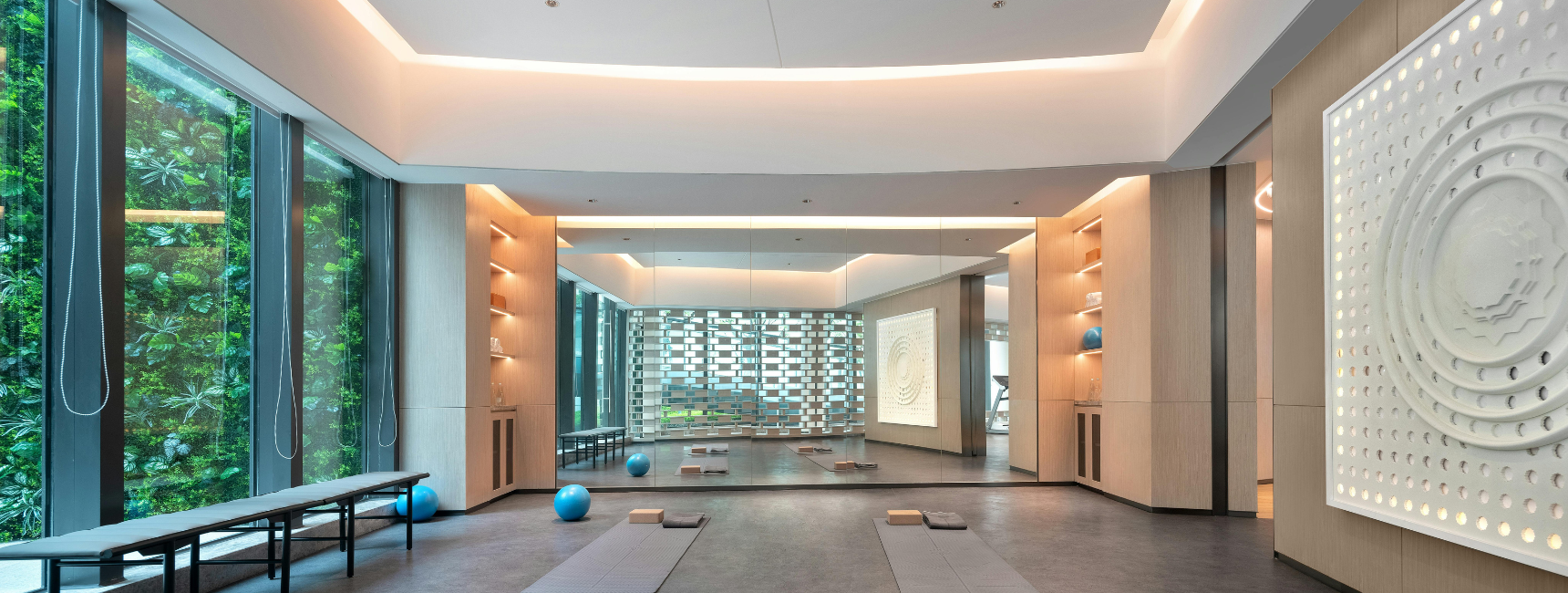
The wellness industry has entered a new phase of maturity. What was once viewed as a discretionary lifestyle category is now emerging as a core component of how individuals, employers, and healthcare-adjacent businesses think about long-term health.
As we look ahead into 2026, the defining shift is not about new products or buzzwords. It is about how wellness is being used. Consumers are moving away from reactive health decisions and toward preventive, personalized strategies that support longevity, performance, and quality of life. For investors evaluating this space, the story is no longer speculative. It is structural.
Wellness Has Become a Global Economic Category
The scale of the wellness market alone warrants attention. According to the Global Wellness Institute, the global wellness economy surpassed six trillion dollars and is projected to continue growing toward nine trillion dollars over the coming years. This growth is not limited to one geography or one demographic. It spans healthcare-adjacent services, fitness, nutrition, mental well-being, recovery, and preventive care.
Industry analysts consistently point out that wellness rebounded faster than many other consumer sectors following recent economic disruptions, reinforcing the idea that wellness spending is increasingly viewed as essential rather than optional. This resilience is one of the reasons capital continues to flow into the category.
A Shift From Reactive Care to Prevention
Historically, most health spending has been reactive. People seek solutions after symptoms appear. That model is gradually being challenged by amore proactive mindset.
Consumers are increasingly investing in preventive care approaches that aim to reduce risk before problems arise. This includes nutritional optimization, hydration, metabolic health monitoring, stress management, sleep quality improvement, and early lifestyle intervention.
FranchiseWire and other industry observers note that preventive wellness is becoming a central expectation rather than a premium add-on. For many consumers, wellness is now part of routine maintenance, similar to how people think about financial planning or physical training.
From an investment perspective, this matters because prevention creates recurring engagement. It supports long-term customer relationships rather than one-time transactions.
Personalization Is Becoming the Baseline
One of the most important changes in the wellness industry is the move away from generic programs. Consumers no longer expect the same solution to work for everyone.
McKinsey research on the future of wellness highlights personalization as one of the strongest drivers of consumer trust and engagement. People want care plans, recommendations, and services that reflect their biology, lifestyle, goals, and constraints. This demand is pushing wellness businesses to incorporate data, diagnostics, and individualized assessment into their offerings. Wearables, lab testing, and digital health tools are increasingly used to inform personalized strategies rather than broad prescriptions.
For investors, personalization creates defensibility. Businesses that successfully tailor experiences and outcomes are more likely to retain customers and differentiate themselves in a crowded market.
Longevity Is Moving Into the Mainstream
Longevity was once a niche concept associated with biohacking or elite health circles. That is no longer the case. Today, longevity is understood more practically as healthspan. Consumers want more years of high-quality living, not simply a longer lifespan. This has driven interest in services and strategies that support cognitive health, metabolic efficiency, physical resilience, and long-term vitality.
Industry trend analyses from sources like the Global Wellness Summit and medical wellness publications show growing alignment between wellness services and longevity science. This convergence is attracting attention from both healthcare-adjacent operators and long-term investors.
Where Capital Is Paying Attention
Capital flows into wellness are becoming more targeted. Rather than broad lifestyle brands, investors are increasingly focused on platforms and services that demonstrate measurable outcomes, personalization, and repeat engagement.
This includes companies operating at the intersection of wellness and healthcare, digital platforms that guide ongoing lifestyle decisions, and service models that integrate preventive care into daily life.
The common thread is durability. Preventive and personalized care models tend to generate longer customer lifecycles and more predictable revenue compared to trend-driven wellness products.
Why This Matters for Investors
For those evaluating the wellness sector, several factors stand out:
Preventive care aligns with long-term demand rather than short-term trends. Personalization increases customer loyalty and pricing power.
Wellness spending has shown resilience even during economic uncertainty. The category intersects with healthcare, technology, real estate, and workforce productivity.
Taken together, these factors suggest that wellness is no longer a peripheral investment theme. It is a foundational layer of modern consumer behavior.
What This Means for Operators and Emerging Brands
For businesses operating in the wellness space, the implications are clear. Success increasingly depends on delivering meaningful outcomes rather than surface-level experiences.
Operators that emphasize education, personalization, data-informed decisions, and long-term health positioning are better aligned with where the market is heading. This approach not only builds trust with consumers but also aligns with what investors are looking for when evaluating sustainable growth.
Looking Ahead to 2026
The wellness industry is not slowing down. It is becoming more sophisticated, more evidence-driven, and more integrated into daily life.
As preventive and personalized care continue to shape consumer expectations, the businesses best positioned for success will be those that treat wellness as a long-term partnership rather than a short-term offering.
For investors and operators alike, the opportunity lies in recognizing that this shift is already underway. The question is no longer whether wellness will continue to grow, but which models are best equipped to grow with it.
Sources & Industry References: This article draws on publicly available industry research and trend analysis, including: Global Wellness Institute. The Global Wellness Economy: Market Size and Growth Projections. McKinsey & Company. The Future of Wellness: Consumer Trends and Market Shifts. FranchiseWire. Preventive and Personalized Care Shapes 2026 Wellness Trends. Global Wellness Summit. Wellness Trends and Longevity Insights.


